

US Deports Over 25,000 Migrants to Third Countries Under Secretive Agreements
A recent investigation reveals that the United States has deported more than 25,000 individuals to various countries under controversial agreements, raising concerns about human rights and legal processes. Most deportees were sent to Mexico, while others were dispersed across 27 nations, with significant financial incentives involved.
The Abuja Times

A troubling investigation published by Forbidden Stories has unveiled that the United States has deported over 25,000 migrants to third countries as part of undisclosed agreements with 35 nations. This practice, which gained momentum following President Donald Trump's inauguration in January 2025, has seen the U.S. sign deals with developing countries to accept migrants who are unable to be returned to their home countries.
The investigation highlights that the U.S. has allocated a staggering $410 million, directed either to the host countries or to UN agencies to facilitate these deportations. By August 31, 2026, data showed that 25,447 individuals had been sent to various destinations, with the majority—approximately 20,000—being dispatched to Mexico. The remaining deportees were spread across 27 other countries, including several in Latin America, Africa, and the Pacific, with agreements in place with seven additional nations.
These agreements vary in their conditions, particularly regarding the nationalities of the deportees and whether individuals with criminal records can be included. An earlier investigation by AFP uncovered that the U.S. has been employing visa bans and other restrictions as leverage against African nations to compel them to accept these deportees. Legal experts have expressed grave concerns, describing the situation faced by deportees as a “legal black hole,” where individuals are held without charges in countries where they possess no familial or legal ties and have limited rights.
According to Forbidden Stories, an astonishing 49 out of Africa's 54 countries have been approached by the U.S. in an effort to expand this controversial deportation strategy. As these developments unfold, the implications for human rights and international relations remain significant, drawing criticism from various human rights organizations and legal advocates.
Share this article with your network
Broadcast directly to WhatsApp communities and news circles.
The Abuja Morning Dispatch
Get the capital's most important political investigations, cabinet decisions, and economic intelligence delivered to your inbox every morning.
About The Abuja Times
Super Admin & Lead Director
Related Dispatches in World

Understanding the Significance of the U.S. Midterm Elections
The upcoming U.S. midterm elections hold critical implications not only for American politics but also for global dynamics, particularly in light of recent governance challenges. As the world observes, the decisions made in this electoral cycle could redefine international relations and policies that affect countries like Nigeria.
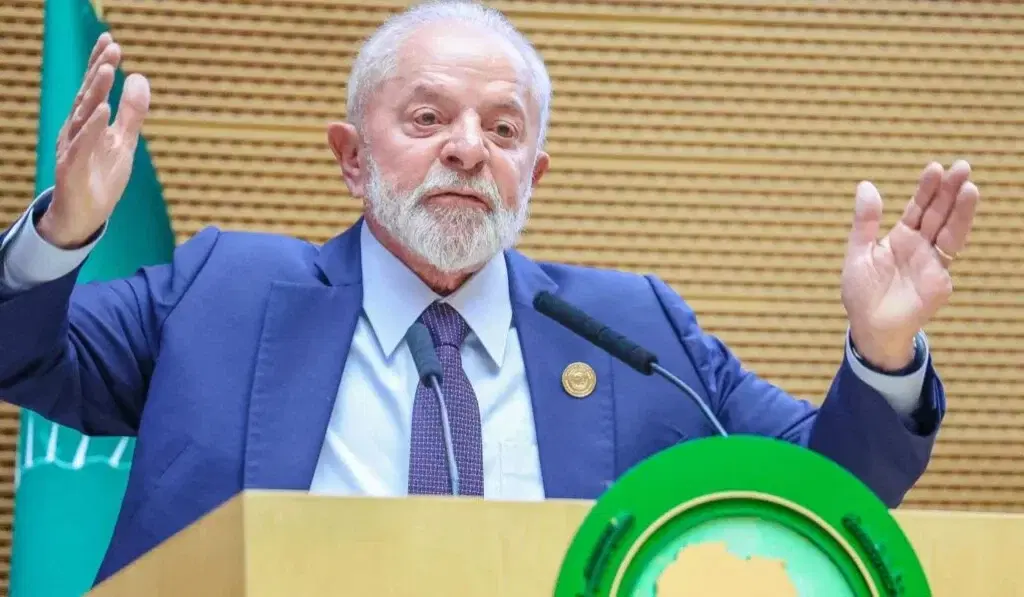
Lula da Silva Secures Historic Fourth Term in Brazil's Presidential Election
In a remarkable political turnaround, Luiz Inacio Lula da Silva emerged victorious over Flavio Bolsonaro, marking his fourth term as Brazil's president. This election not only showcases Lula's resilience but also signifies a critical moment against a backdrop of rising conservative sentiments in Latin America.

Tragic Loss at CBD COP17: Namibian Biosafety Advocate Martha Kandawa-Schulz Passes Away
Martha Kandawa-Schulz, a prominent biosafety expert representing Namibia, has died in Yerevan while attending the United Nations Biodiversity Conference. Her passing marks a significant loss for the global biodiversity community.