

Urgent Call for Reconstruction of Police Barracks Amidst Nationwide Neglect
Inspector-General of Police Olatunji Disu's recent inspection of police barracks in Lagos highlights the dire state of housing for officers across Nigeria, emphasizing the urgent need for reconstruction. With many barracks in disrepair, the call for accountability and swift action from the government has never been more critical.
The Abuja Times
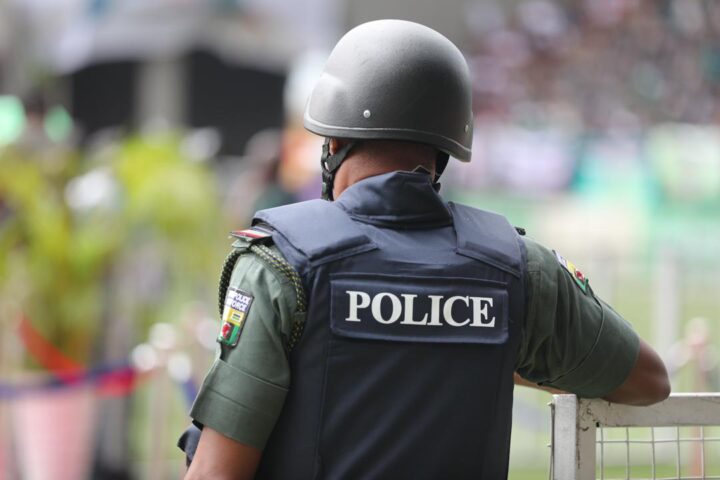
The recent inspection of police barracks by Inspector-General of Police Olatunji Disu has unveiled a distressing reality: decades of neglect have rendered many police quarters uninhabitable. This inspection, which covered 21 barracks in Lagos, revealed not just the physical decay of the structures but also the psychological toll on officers and their families living in substandard conditions. Disu's frustration over the delays in reconstruction projects is not just a personal sentiment; it encapsulates a broader, systemic failure that has persisted for far too long.
The collaboration between the Lagos State Government and private developers aims to deliver at least 1,000 housing units by February 2027. While this initiative is commendable, it underscores a more extensive national crisis where similar efforts are sorely needed. The Federal Government's acknowledgment of the issue through the rehabilitation of 13 police training colleges across the country is a step in the right direction, but it is merely a fraction of what is required to address the widespread degradation of police housing.
Reports from various parts of Nigeria reveal a shocking reality: many police officers and their families are forced to live in overcrowded rooms with inadequate sanitary facilities and unreliable water supplies. Such conditions not only compromise the well-being of the officers but also hinder their ability to maintain discipline and order in the communities they serve. It is difficult to expect high standards of conduct from personnel who are themselves overwhelmed by neglect and squalor.
“It is imperative that the inspection translates into urgency, accountability, and tangible results,” said Disu, emphasizing the need for immediate action.
The need for a comprehensive approach to the reconstruction of police barracks is clear. It goes beyond mere infrastructure; it is about restoring dignity to those tasked with maintaining public safety. As the government seeks to implement changes, the voices of the officers and their families must be heard, ensuring that their living conditions reflect the significance of their roles in society.
Share this article with your network
Broadcast directly to WhatsApp communities and news circles.
The Abuja Morning Dispatch
Get the capital's most important political investigations, cabinet decisions, and economic intelligence delivered to your inbox every morning.
About The Abuja Times
Super Admin & Lead Director
Related Dispatches in News

Mohbad's Family Calls for Postponement of Liam's DNA Test Amid Concerns
The family of the late Nigerian musician Mohbad has requested a postponement of the DNA test for his son, Liam, citing concerns over the transportation of samples to an unnamed U.S. laboratory. They are demanding transparency regarding the laboratory's details before proceeding with the test.

Call for Stricter Laws Against Counterfeit Goods Gains Momentum in Nigeria
Olisa Metuh, a former spokesperson for the PDP, has advocated for harsher penalties, including extended prison terms and asset forfeiture, for those involved in the production and distribution of counterfeit drugs and adulterated goods. His recommendations aim to combat the growing issue of counterfeit products that threaten public health and safety.

Health Maintenance Organizations Challenge Lagos Government's Claims on Private Health Plan Endorsement
Health Maintenance Organizations (HMOs) in Nigeria have contested the Lagos State government's assertion of endorsement for a new private health plan. They argue that individual participation in discussions does not equate to collective approval, highlighting the need for authorization from the National Health Insurance Authority (NHIA) before any implementation.