

Trump's Nobel Aspirations: A Quest for Global Validation
U.S. President Donald Trump confidently asserts that he deserves a Nobel Peace Prize for his diplomatic efforts, including claims of ending multiple conflicts. This belief raises questions about the effectiveness of his foreign policy and its impact on global stability.
The Abuja Times

U.S. President Donald Trump has made headlines with his bold assertion that he is deserving of a Nobel Peace Prize, citing what he describes as his extraordinary contributions to global peace. During his second term, he has claimed to have resolved eight significant conflicts, including the longstanding Israel-Hamas and Israel-Iran tensions, thereby positioning himself as a key player in international diplomacy.
Trump's self-proclaimed status as a peacemaker has sparked debate among political analysts and global leaders alike. Critics argue that his approach to foreign relations, often characterized by unpredictability and unorthodox tactics, may undermine the very principles of diplomacy that the Nobel Peace Prize represents. As Trump continues to advocate for his recognition, the question arises whether such accolades can genuinely reflect the complexities of international conflicts.
In his public statements, Trump has expressed a fervent belief that his actions have not only benefited the United States but have also contributed to a more peaceful world. However, observers note that many of the issues he claims to have resolved remain unresolved, prompting skepticism about the validity of his claims. The juxtaposition of Trump's self-image as a peacemaker against the backdrop of ongoing global conflicts serves as a critical point of discussion.
"I deserve a Nobel Peace Prize for my extraordinary labour of peace," Trump has proclaimed, challenging both supporters and critics to reconsider his role in global affairs.
As the discourse surrounding Trump's Nobel aspirations unfolds, it becomes evident that the implications extend beyond personal accolades. The international community is left to ponder the effectiveness and legitimacy of his foreign policy strategies, and whether they can truly lead to lasting peace.
Share this article with your network
Broadcast directly to WhatsApp communities and news circles.
The Abuja Morning Dispatch
Get the capital's most important political investigations, cabinet decisions, and economic intelligence delivered to your inbox every morning.
About The Abuja Times
Super Admin & Lead Director
Related Dispatches in World

Understanding the Significance of the U.S. Midterm Elections
The upcoming U.S. midterm elections hold critical implications not only for American politics but also for global dynamics, particularly in light of recent governance challenges. As the world observes, the decisions made in this electoral cycle could redefine international relations and policies that affect countries like Nigeria.
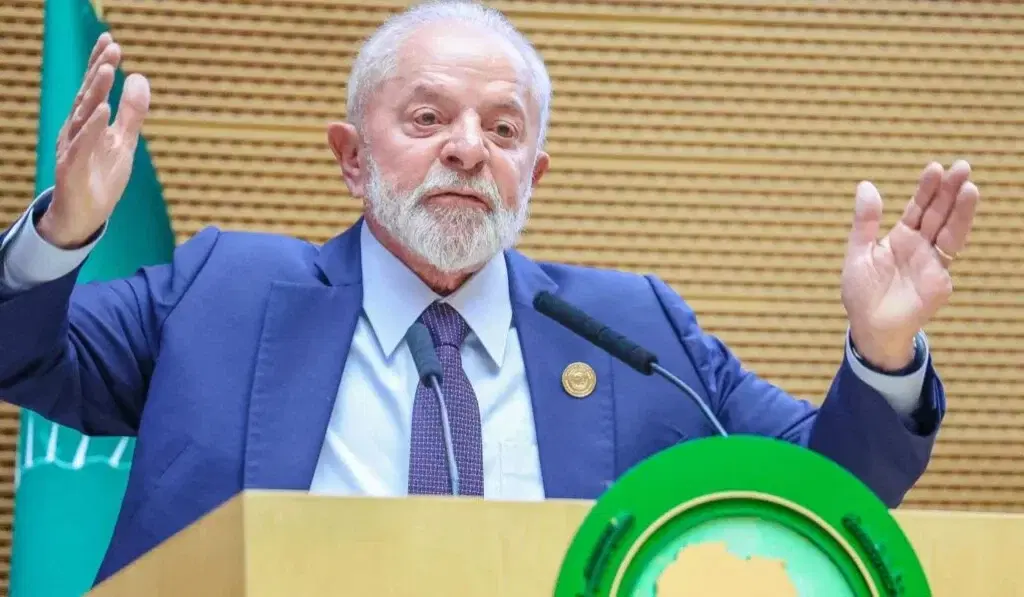
Lula da Silva Secures Historic Fourth Term in Brazil's Presidential Election
In a remarkable political turnaround, Luiz Inacio Lula da Silva emerged victorious over Flavio Bolsonaro, marking his fourth term as Brazil's president. This election not only showcases Lula's resilience but also signifies a critical moment against a backdrop of rising conservative sentiments in Latin America.

Tragic Loss at CBD COP17: Namibian Biosafety Advocate Martha Kandawa-Schulz Passes Away
Martha Kandawa-Schulz, a prominent biosafety expert representing Namibia, has died in Yerevan while attending the United Nations Biodiversity Conference. Her passing marks a significant loss for the global biodiversity community.