

Silencing Voices: The Controversial Dynamics at the 81st UN General Assembly
The ongoing United Nations General Assembly (UNGA) has sparked controversy as the United States restricts the Palestinian voice while favoring Israel. This decision raises critical questions about diplomatic practices and the principles of equity in international discourse.
The Abuja Times

The 81st session of the United Nations General Assembly (UNGA) has become a focal point for discussions on global diplomacy and the principle of free speech among nations. Traditionally, the UNGA serves as a platform where every member state can express its views and concerns. However, recent actions by the United States have brought the assembly's commitment to neutrality into question, particularly regarding the Palestinian State's representation.
The U.S. has explicitly limited the Palestinian voice at this year's assembly, allowing only that of Israel to be heard. This decision has drawn widespread criticism from various countries and international observers, who argue that it undermines the foundational principles of the UNGA, which is meant to facilitate open dialogue among all member states.
As nations convene to discuss pressing global issues, the implications of this decision extend beyond the assembly's walls. Critics contend that by silencing certain voices, the U.S. not only disregards the democratic ethos of the UN but also exacerbates existing tensions in the Middle East. The Palestinian cause, which has historically garnered international support, now faces significant challenges in being articulated on such a prominent global stage.
“The exclusion of the Palestinian voice at the UNGA signifies a troubling trend in international diplomacy, where the power dynamics dictate who gets to speak and who is silenced,” remarked a diplomatic analyst.
This incident highlights the ongoing struggle between power and representation within international relations. As the world watches, questions arise about the future of diplomacy and the extent to which powerful nations can dictate the terms of engagement at global forums.
Share this article with your network
Broadcast directly to WhatsApp communities and news circles.
The Abuja Morning Dispatch
Get the capital's most important political investigations, cabinet decisions, and economic intelligence delivered to your inbox every morning.
About The Abuja Times
Super Admin & Lead Director
Related Dispatches in World

Understanding the Significance of the U.S. Midterm Elections
The upcoming U.S. midterm elections hold critical implications not only for American politics but also for global dynamics, particularly in light of recent governance challenges. As the world observes, the decisions made in this electoral cycle could redefine international relations and policies that affect countries like Nigeria.
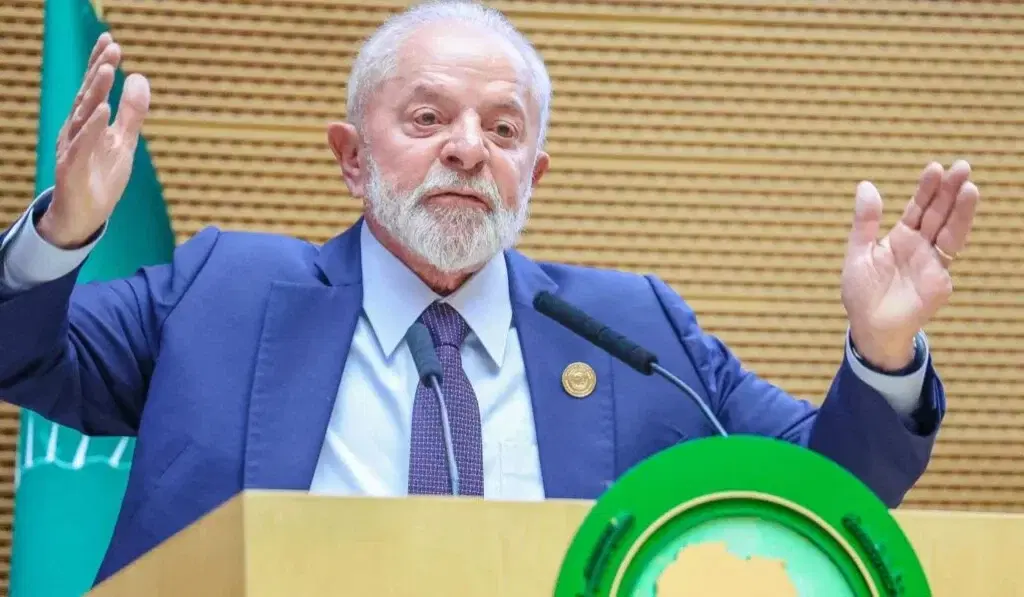
Lula da Silva Secures Historic Fourth Term in Brazil's Presidential Election
In a remarkable political turnaround, Luiz Inacio Lula da Silva emerged victorious over Flavio Bolsonaro, marking his fourth term as Brazil's president. This election not only showcases Lula's resilience but also signifies a critical moment against a backdrop of rising conservative sentiments in Latin America.

Tragic Loss at CBD COP17: Namibian Biosafety Advocate Martha Kandawa-Schulz Passes Away
Martha Kandawa-Schulz, a prominent biosafety expert representing Namibia, has died in Yerevan while attending the United Nations Biodiversity Conference. Her passing marks a significant loss for the global biodiversity community.