

Political Tensions Emerge as El-Rufai Critiques Tinubu Ahead of 2027 Elections
As the political landscape shifts, former Kaduna State Governor Nasir El-Rufai raises concerns about potential persecution following his departure from President Tinubu's inner circle. His criticisms highlight the precarious nature of political alliances in the run-up to the 2027 elections.
The Abuja Times

Former Kaduna State Governor Nasir El-Rufai has recently intensified his critiques of President Bola Ahmed Tinubu, prompting questions about whether his treatment by the government reflects a broader trend of persecution against dissenting voices within the political arena. El-Rufai, once a staunch ally of Tinubu, has found himself increasingly at odds with the current administration since stepping back from the ruling All Progressives Congress (APC).
The shift in El-Rufai's stance raises significant concerns about the dynamics of political loyalty and the repercussions of dissent within Nigeria's governance structure. Observers have noted that the former governor's alignment with opposition forces signals a profound change in the political landscape as the nation heads towards the 2027 elections, a period marked by heightened political maneuvering and strategic alliances.
In recent statements, El-Rufai has articulated fears that his criticisms may lead to retaliation from Tinubu's administration, echoing sentiments shared by other former political allies who have faced scrutiny following their departure from the ruling party. He stated, "The lines between political prosecution and persecution are often blurred, especially when former allies become vocal opponents. One must wonder if the same actions would be taken if I were still in favor with the current leadership."
"The lines between political prosecution and persecution are often blurred, especially when former allies become vocal opponents." - Nasir El-Rufai
This evolving narrative comes at a critical juncture for Nigeria, as various political figures reassess their positions and strategies in anticipation of the upcoming elections. The implications of El-Rufai's comments not only reflect his personal political journey but also highlight the broader questions regarding governance, accountability, and the treatment of political dissenters in a democratic society.
Share this article with your network
Broadcast directly to WhatsApp communities and news circles.
The Abuja Morning Dispatch
Get the capital's most important political investigations, cabinet decisions, and economic intelligence delivered to your inbox every morning.
About The Abuja Times
Super Admin & Lead Director
Related Dispatches in News
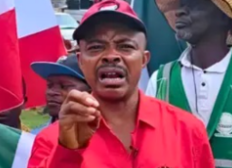
NLC Defends N70,000 Transport Allowance Amid TUC Rejection
The Nigeria Labour Congress has criticized the Trade Union Congress for rejecting a crucial N70,000 transport allowance aimed at easing the financial burden on workers. Meanwhile, the Nigeria Employers’ Consultative Association emphasizes the need for inclusive negotiations regarding minimum wage agreements.
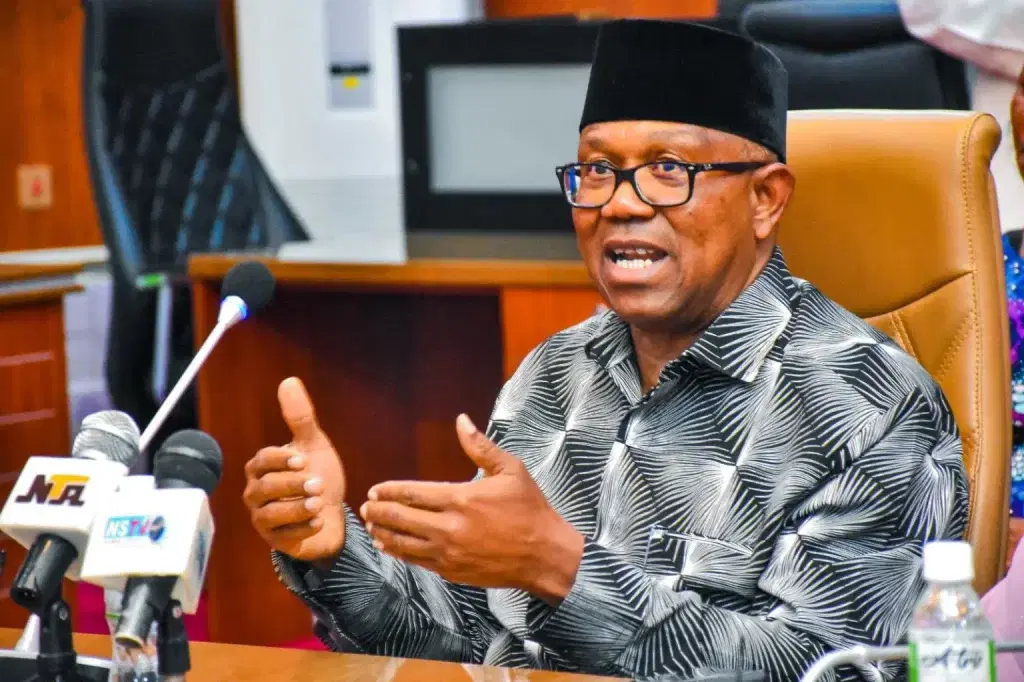
2027: Utomi, Ohaa, Yesufu urge Nigerians to mobilise support for Obi
Chieftains of the Nigeria Democratic Congress (NDC) have urged Nigerians to mobilise grassroots support for the party’s presidential candidate, Mr Peter Obi, come 2027. The party chieftains, including

The Crucial Role of Crisis Communication in Nigeria's National Security Strategy
In an era dominated by digital interactions, the integrity of information is vital for Nigeria's national security. Institutions that effectively manage communication can mitigate misinformation and strengthen public trust in governance.