

Political Campaigns in Northern Nigeria Hampered by Billboard Disputes and Internal Conflicts
As the 2027 general elections approach, political campaigns in Northern Nigeria are experiencing a slow start due to disputes over billboards, hefty signage fees, and internal party crises. While some states see heightened activity, others struggle with restrictions and factional disagreements that hinder electioneering efforts.
The Abuja Times
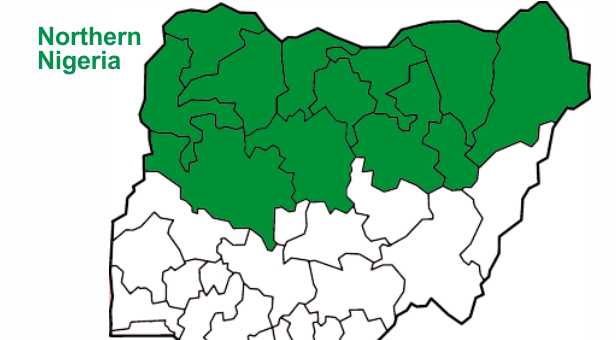
Political campaigns in Northern Nigeria, ahead of the 2027 general elections, are facing significant challenges as disputes over billboards, internal party conflicts, and government restrictions impede momentum. Although the Independent National Electoral Commission (INEC) has officially permitted campaign activities, the landscape remains uneven across the region, with some states witnessing vigorous mobilization while others remain stagnant.
States like Kaduna, Nasarawa, Sokoto, Taraba, Katsina, and parts of Adamawa and Bauchi have seen a surge in campaign activities, contrasting sharply with Kebbi, Benue, Kano, and Borno, where political parties are still grappling with internal strife or have yet to formally launch their election campaigns. The disparity highlights a fragmented political environment that could influence voter engagement and turnout.
In Niger State, tensions have escalated as opposition parties, particularly the African Democratic Congress (ADC), accuse the ruling All Progressives Congress (APC) of leveraging its incumbency to suppress competition. The ADC's chairman, Alhaji, raised concerns about the ruling party obstructing their ability to place campaign billboards in key locations, thus stifling their visibility and outreach efforts. Such allegations have intensified scrutiny over the fairness of the electoral landscape.
“We are witnessing a concerted effort by the APC to marginalize opposition parties through unfair practices. This is not just about billboards; it reflects a broader attempt to undermine democratic processes,” said Alhaji, the ADC chairman.
The situation underscores the importance of equitable access to public spaces for all political entities, as the ability to campaign effectively is crucial for a vibrant democracy. With less than 100 days until the elections, the resolution of these disputes and internal crises will be vital in determining the effectiveness of the political campaigns across Northern Nigeria.
Share this article with your network
Broadcast directly to WhatsApp communities and news circles.
The Abuja Morning Dispatch
Get the capital's most important political investigations, cabinet decisions, and economic intelligence delivered to your inbox every morning.
About The Abuja Times
Super Admin & Lead Director
Related Dispatches in News

Nigeria Allocates N10 Billion Emergency Fund for Disease Control Amid Ebola Concerns
The Nigerian Centre for Disease Control (NCDC) has announced a N10 billion emergency fund aimed at strengthening measures against Ebola and other endemic diseases like Lassa fever. The Director-General emphasized that the strategies for controlling these diseases share common elements such as surveillance and monitoring.

Katsina Government Invests Over ₦4 Billion in Youth Craft Village, Celebrates Graduation of 1,662 Trainees
The Katsina State Government has announced a significant investment of over ₦4 billion aimed at enhancing its Youth Craft Village, marking a pivotal step in youth empowerment. The recent graduation of 1,662 trainees underscores the government's commitment to equipping young people with essential skills for economic self-sufficiency.

ADC Calls for Transparency on SUVs Donated to APC Youth Leaders Amid Economic Challenges
The African Democratic Congress (ADC) has raised concerns over the funding sources of seven SUVs presented to youth leaders of the All Progressives Congress (APC), urging the government to disclose the financial details. This demand comes in light of the ongoing economic hardships faced by many Nigerians, prompting questions about the appropriateness of such expenditures.