

Olisa Agbakoba Raises Alarm on Deteriorating Public Confidence in Nigerian Judiciary
In a candid interview, former NBA President Olisa Agbakoba, SAN, critiques the current state of Nigeria's judiciary, suggesting a significant erosion of public trust due to perceived executive interference and conflicting judgments. He advocates for judicial reforms, greater autonomy for the NBA, and a constitutional separation of religion and state to restore faith in justice delivery.
The Abuja Times
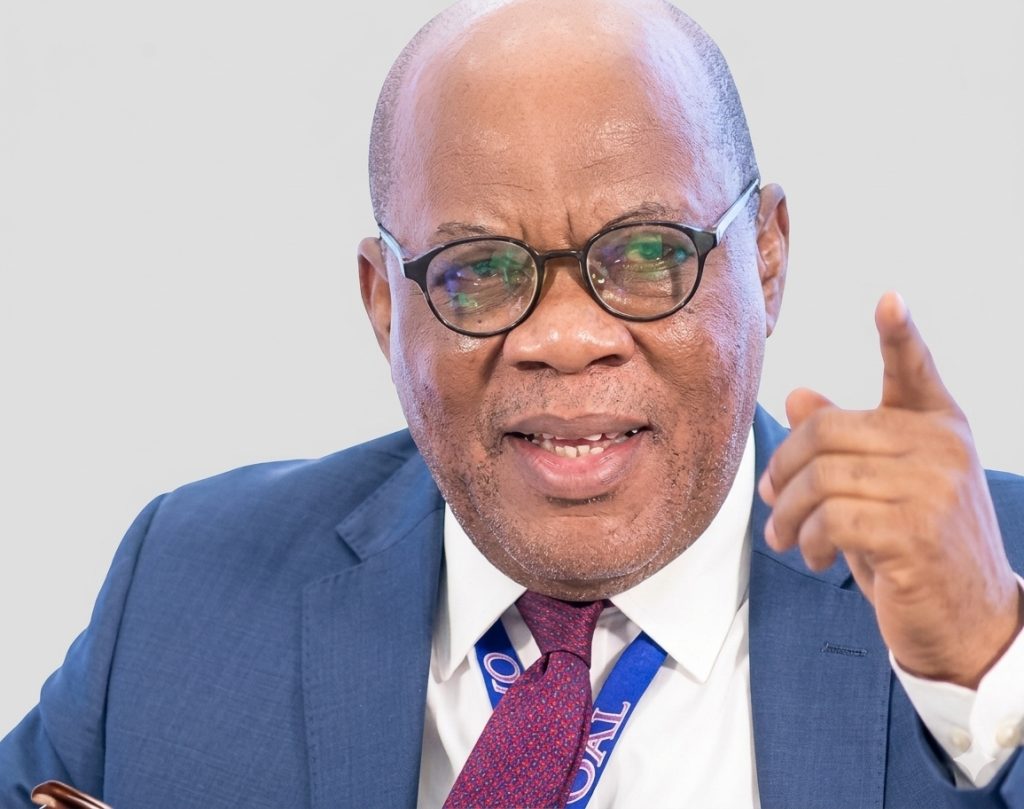
In an insightful discussion on the pressing issues facing Nigeria's judiciary, Dr. Olisa Agbakoba, a Senior Advocate of Nigeria and former President of the Nigerian Bar Association (NBA), has expressed deep concerns regarding public perception of the legal system 66 years post-independence. Agbakoba suggests that many Nigerians feel disillusioned by what they view as a judiciary plagued by inefficiency and excessive influence from the executive branch, particularly in politically sensitive cases such as election petitions.
“The public perception is that there is low performance on the part of the judiciary,” Agbakoba stated, highlighting that many citizens believe that the courts have overstepped their traditional role. Instead of merely interpreting the law, he argues that the judiciary has become an arbiter in political matters, often determining who holds office rather than allowing the electorate to decide. This shift, he believes, undermines the foundational principles of democracy.
Agbakoba further emphasized the need for reforms that would ensure the judiciary operates independently and effectively. He called for a restructuring that grants more autonomy to the NBA, empowering it to play a pivotal role in judicial appointments and oversight. “The judiciary should resist the pressure to determine political office holders. It should be the people’s choice,” he added, suggesting that restoring public trust will require a clear delineation of roles and responsibilities.
Additionally, Agbakoba advocated for a constitutional framework that addresses the relationship between religion and state, arguing that such measures are essential for promoting fairness and impartiality within the judiciary. He believes that without these reforms, the judiciary's credibility will continue to suffer, negatively impacting justice delivery across Nigeria.
“The judiciary must reclaim its rightful place as a protector of democracy, not its arbiter,” Agbakoba remarked, underscoring the urgency for reform.
Share this article with your network
Broadcast directly to WhatsApp communities and news circles.
The Abuja Morning Dispatch
Get the capital's most important political investigations, cabinet decisions, and economic intelligence delivered to your inbox every morning.
About The Abuja Times
Super Admin & Lead Director
Related Dispatches in News

African Union Designates Nigeria’s Counter-Terrorism Centre as Regional Hub for West Africa
The African Union has officially accredited Nigeria's National Counter Terrorism Centre, enhancing its role as a pivotal entity in combating terrorism across West Africa and the Sahel. This recognition aligns with President Bola Tinubu's vision to bolster regional security initiatives and intelligence collaboration.

NAFDAC Clarifies Registration Requirements for Zobo Vendors Amid Viral Police Encounter
The National Agency for Food and Drug Administration and Control (NAFDAC) has responded to a viral video showing police officers questioning a Zobo hawker about their product's registration. NAFDAC emphasizes that packaged and labeled Zobo drinks must comply with regulatory standards to ensure consumer safety.

Governor Lawal's Fiscal Strategy: A Model for Sustainable Governance in Nigeria
Governor Lawal of Zamfara has pioneered an innovative approach to governance by prioritizing revenue mobilization and debt reduction without resorting to borrowing. His tenure demonstrates significant advancements in project execution, presenting a viable blueprint for sub-national governance across Nigeria.