

Manufacturers Face Financial Strain as Unsold Goods Reach N1.7 Trillion
The manufacturing sector in Nigeria grapples with unprecedented inventory levels, reaching approximately N1.77 trillion, as operational costs continue to rise. Leading firms like Dangote Cement and UACN are notably affected, raising alarms about the sustainability of business practices amidst growing financial pressures.
The Abuja Times
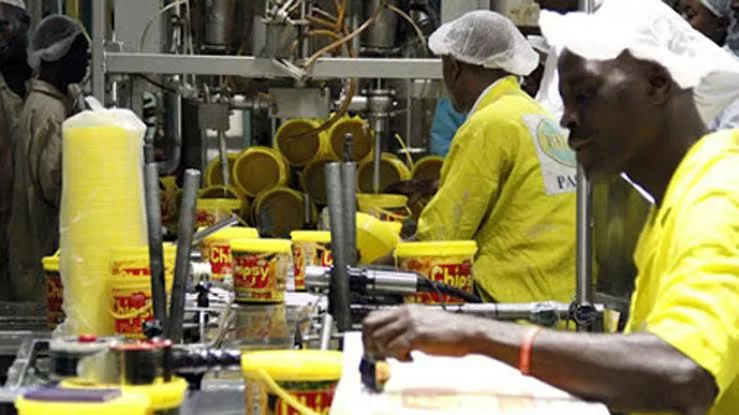
The manufacturing landscape in Nigeria is experiencing a significant challenge, with reported unsold goods reaching an alarming N1.77 trillion as of the second quarter of 2026. This figure, reflecting a 10.6% increase from the previous year, underscores the mounting pressures faced by manufacturers as the cost of sales concurrently climbs to N1.43 trillion, marking a 13.7% rise from N1.261 trillion in Q1 2025.
Industry giants such as Dangote Cement and UACN are leading this inventory build-up, as companies across various sectors including consumer goods, agriculture, and building materials grapple with the dual challenge of excess stock and escalating production costs. The data points to a manufacturing environment where businesses are compelled to carry significantly more inventory, raising questions about the underlying factors driving this trend.
Experts attribute the inventory accumulation to a variety of factors, including shifts in consumer demand, rising input costs, and specific operational challenges faced by individual companies. Notably, Dangote Cement reported the highest inventory position of N703.58 billion, reflecting the pressures that even the largest firms are facing in this volatile economic climate.
“The current inventory levels are a clear indication of the financial strain on manufacturers, which could have long-term implications for pricing, employment, and overall economic stability,” said a financial analyst familiar with the sector.
Looking ahead, financial experts are calling for strategic interventions to mitigate these challenges. They suggest that companies must adopt more agile inventory management practices and enhance production efficiencies to navigate the rising cost pressures. Without such measures, the sustainability of the manufacturing sector could be at risk, affecting not only businesses but also consumers who may face higher prices in the long run.
Share this article with your network
Broadcast directly to WhatsApp communities and news circles.
The Abuja Morning Dispatch
Get the capital's most important political investigations, cabinet decisions, and economic intelligence delivered to your inbox every morning.
About The Abuja Times
Super Admin & Lead Director
Related Dispatches in Business

ACAMB Warns Bank Customers to Guard Against Rising Phishing Scams
The Association of Corporate Affairs Managers of Banks (ACAMB) has issued a warning to bank customers about the increasing prevalence of phishing scams that threaten their financial security. The organization emphasizes the importance of safeguarding sensitive information amid a surge in fraudulent activities involving fake bank alerts and impersonation.

Empowering Nigeria's Future Exporters: The STEP-X Initiative
The STEP-X initiative aims to bridge the gap between academic training and global market opportunities, enhancing the export potential of Nigerian graduates. By equipping students with essential skills and connections, the program seeks to foster a new generation of entrepreneurs ready to thrive in international trade.

UBA Initiates Climate Action Week to Promote Sustainable Finance Across Africa
United Bank for Africa (UBA) has unveiled a Group-Wide Climate Action Week, aimed at enhancing green finance and sustainability initiatives throughout the continent. This campaign underscores the bank's dedication to embedding environmental responsibility in its operations and customer engagement.