

Federal Government Challenges World Bank's Debt Servicing Claims
The Nigerian government has contested the World Bank's assertion that the country's debt servicing exceeded revenue by 124% in the first half of 2026. Officials argue the analysis is flawed, citing the inclusion of state-level debts and incomplete revenue reporting.
The Abuja Times
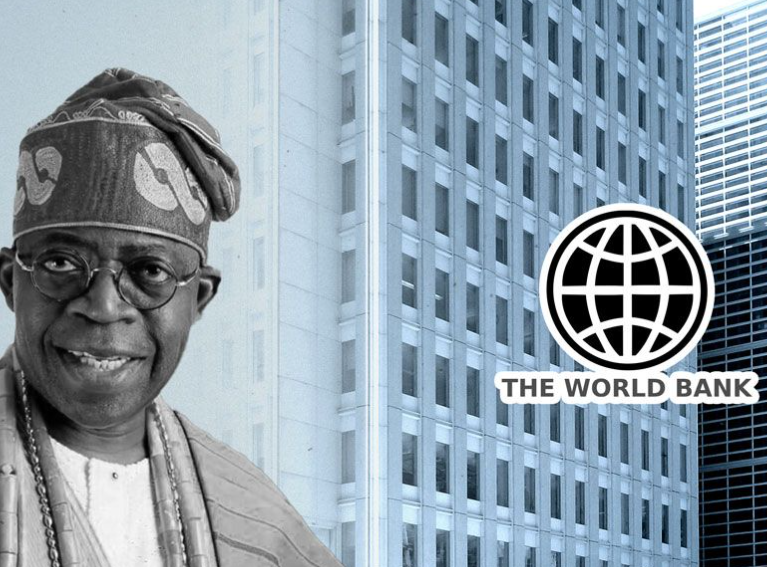
The Federal Government of Nigeria has publicly disagreed with the World Bank's recent report which indicated a staggering 124% debt servicing to revenue ratio for the first half of 2026. According to the World Bank's Nigeria Development Update (NDU), this figure suggests that the federal government's expenditures on debt servicing far outstrip its revenue, raising concerns over the nation's fiscal health.
In response, the Federal Ministry of Finance issued a statement clarifying that the World Bank's analysis is misleading due to several key factors. The ministry emphasized that the debt servicing figures cited by the World Bank encompass obligations incurred not only by the federal government but also by state governments. This means that measuring federal debt servicing against federal revenue alone provides an inaccurate portrayal of the financial situation.
“The interest figure includes debt the Federal Government services on behalf of other tiers of government, including external loans to states,” the statement elaborated. “Measuring this against federal revenue alone overstates the ratio which is only meaningful when debt and revenue cover the same level of government.” Furthermore, the ministry pointed out that the reported revenue figures are incomplete, omitting independent revenues generated by government agencies that have not yet been remitted to the Treasury.
Additionally, the government noted that revenue collection typically sees an uptick in the latter half of the year, as certain tax payments are scheduled to be made during that period. This pattern has been observed in previous years; for instance, the debt-service-to-revenue ratio was recorded at 156% in the first half of 2025, but decreased to below 60% for the entire year. The Federal Government remains optimistic about improving its financial metrics as the year progresses.
Share this article with your network
Broadcast directly to WhatsApp communities and news circles.
The Abuja Morning Dispatch
Get the capital's most important political investigations, cabinet decisions, and economic intelligence delivered to your inbox every morning.
About The Abuja Times
Super Admin & Lead Director
Related Dispatches in News

New Legislation Proposed to Mandate Formal Identification for Apartment Rentals in Abuja
In a bid to enhance tenancy regulations, Nigerian lawmakers are advocating for a law that would require landlords to verify the identities of potential tenants. This initiative aims to improve accountability in the rental housing market and protect both landlords and tenants.

Zamfara Intensifies Ebola Surveillance Following Suspected Case
In response to a potential Ebola threat, Zamfara State has bolstered its health measures by screening travelers at Gusau Airport. The initiative follows the arrival of a passenger with a high temperature, prompting immediate action from health authorities.

Kwara State Appoints New Governing Councils for Key Agencies and Institutions
Kwara State has announced the appointment of new members to the governing councils of eight tertiary institutions and nine critical agencies. These appointments aim to enhance governance in sectors such as education, healthcare, and rural infrastructure.