

Exploring the Influential Figures in President Tinubu’s Administration
In a reflective piece, Tony Afejuku delves into the significance of literature and the analysis of influential personalities within the Nigerian government. He highlights two key figures in President Tinubu's administration, emphasizing their impact and roles in shaping national policies.
The Abuja Times

In an era where literature often serves as a lens through which we view society, Tony Afejuku draws parallels between the act of reading and the observation of public figures in his latest commentary. He notes that the act of revisiting classic works—from Shakespeare to the writings of Nigerian literary giants like Chinua Achebe and Wole Soyinka—can offer deeper insights into the complexities of leadership and governance.
Afejuku's reflections extend beyond the pages of books to the political landscape of Nigeria, particularly focusing on the current administration of President Bola Ahmed Tinubu. He expresses a keen interest in two prominent figures within this cabinet, suggesting their roles are critical to understanding the government's dynamics and decision-making processes. Their influence, he argues, extends beyond their official titles, affecting the broader political narrative in Nigeria.
The writer's exploration of these figures is not merely an examination of their professional roles but also an analysis of their character and public perception. Afejuku underscores that understanding the motivations and actions of these officials can provide valuable lessons about governance and public service in Nigeria. This viewpoint encourages readers to engage critically with both literature and politics, recognizing their intertwined nature in shaping societal values.
“As the Glitterer reads books, so also does he read men – especially Nigerian men in public offices,” Afejuku observes, emphasizing the importance of scrutinizing leadership.
Ultimately, Afejuku's commentary serves as a call to action for Nigerians to remain vigilant observers of their leaders, advocating for a culture of accountability and informed citizenship. By encouraging a deeper engagement with both the literary and political realms, he hopes to inspire a more reflective and proactive citizenry in Nigeria.
Share this article with your network
Broadcast directly to WhatsApp communities and news circles.
The Abuja Morning Dispatch
Get the capital's most important political investigations, cabinet decisions, and economic intelligence delivered to your inbox every morning.
About The Abuja Times
Super Admin & Lead Director
Related Dispatches in News

Hamzat Launches Comprehensive 100-Point Manifesto with Focus on Child Welfare and Healthcare
In a bold move to enhance governance, Mr. Hamzat has unveiled a 100-point manifesto, promising the establishment of a dedicated child protection agency and a state wealth fund. His proposals also include significant investments in maternal and child health facilities, public transport improvements, and ambitious waste management targets.

Obasanjo Warns Against Rising National Debt, Claims It Threatens Future Generations
Former President Olusegun Obasanjo has issued a stern warning regarding President Bola Tinubu's borrowing practices, asserting that the growing national debt poses a significant threat to future generations of Nigerians. He emphasized the detrimental impact of debt, equating its destructive nature to that of leprosy, which he argues affects entire lineages rather than just individuals.
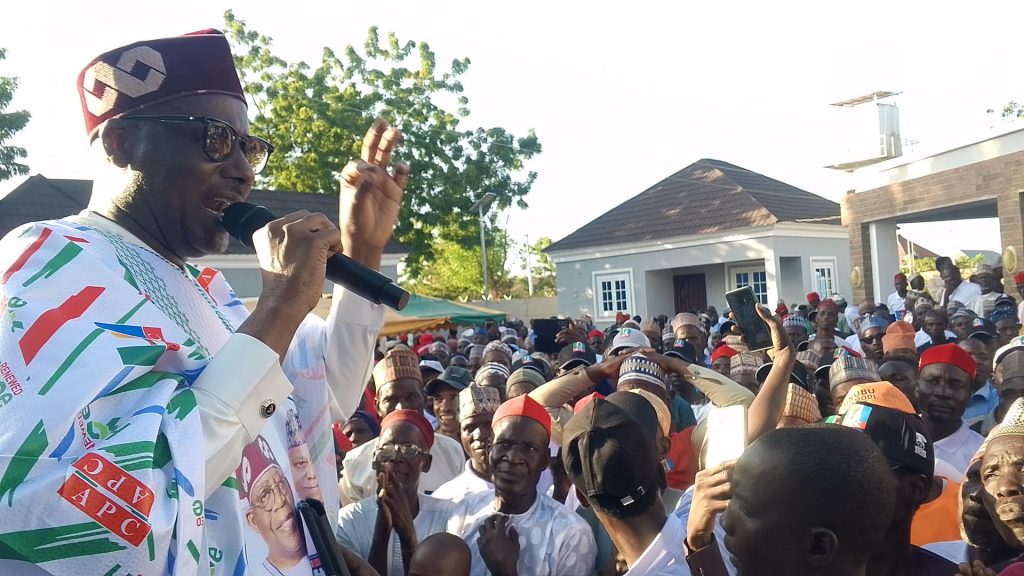
Northern Political Leaders Allegedly Promised Power Transition to Tinubu After Buhari's Tenure
Engr. Magaji Da'u Aliyu, a chieftain of the APC, reveals that Northern leaders sought Bola Tinubu’s support for Buhari's presidency with a promise to return power after eight years. He argues that Northerners should honor this political agreement as Tinubu prepares for the 2027 election.